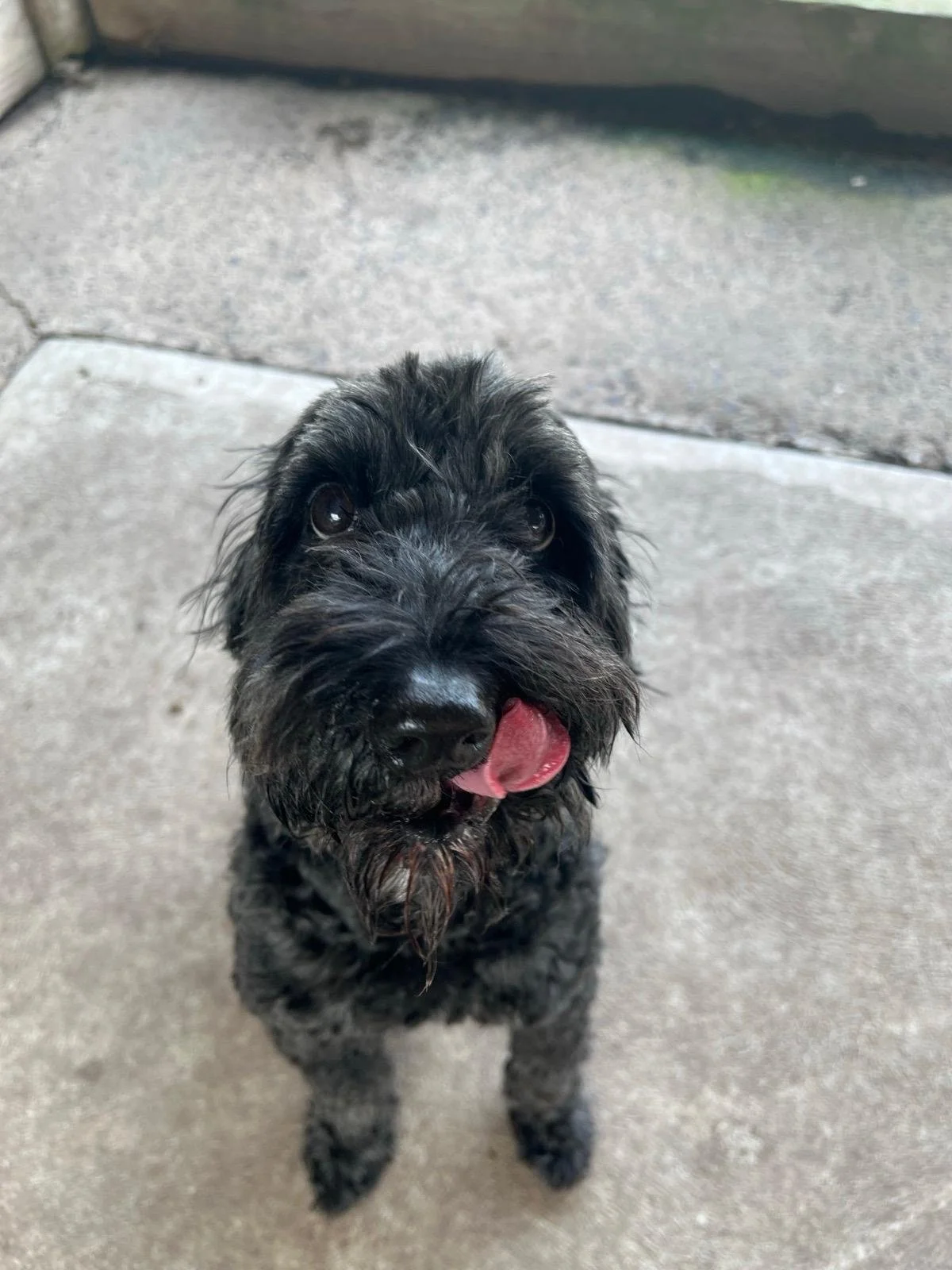
Does the Weather Affect Your Dog's Behaviour?
What the science says — and what Dennis taught me
What the science says — and what Dennis taught me
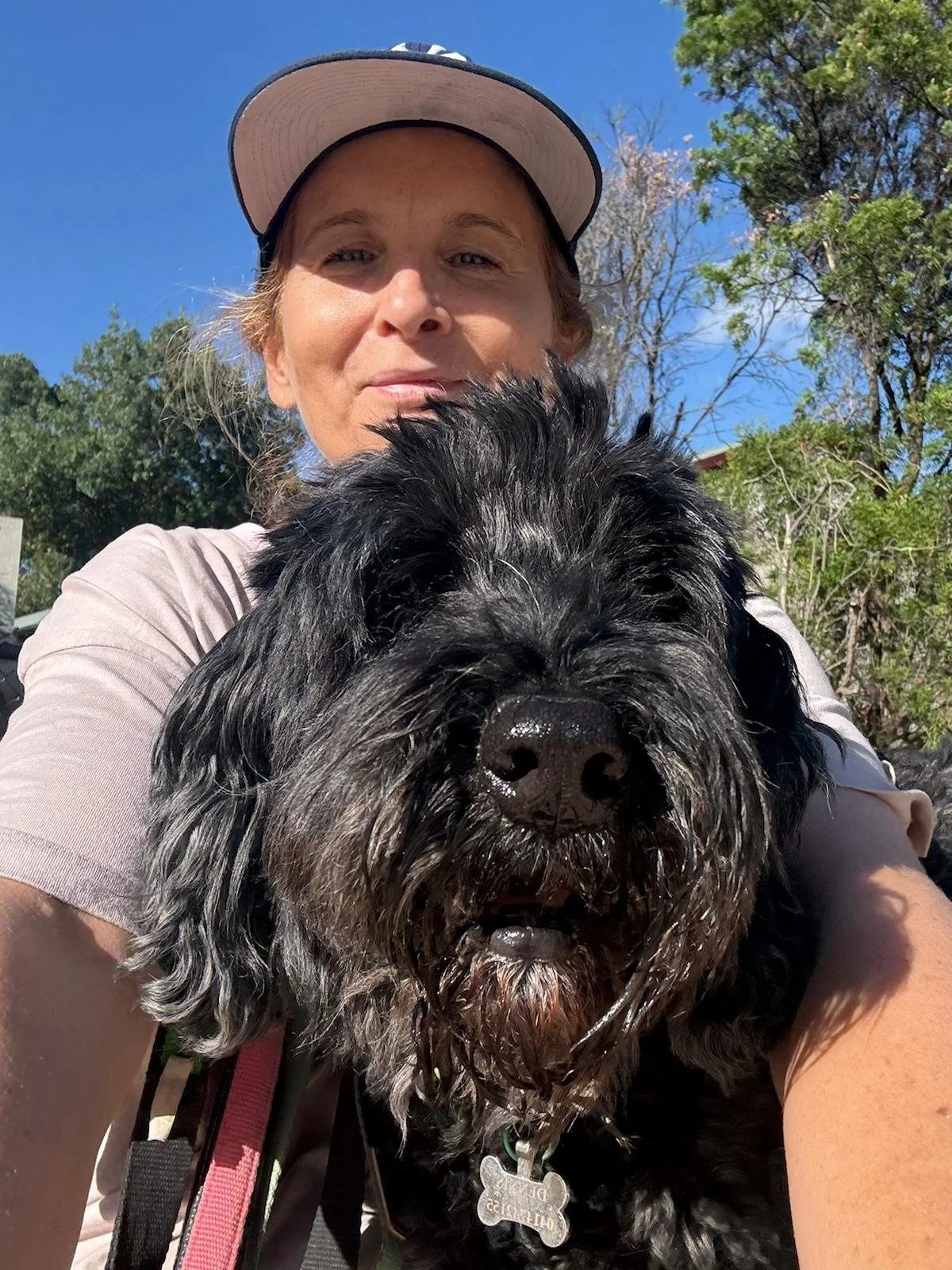
If you've ever noticed your dog acting strangely before a big storm rolls in, or pacing the house on a full moon night, you're not imagining things. Dogs are remarkably sensitive creatures, and the world around them — including the weather — can have a profound effect on their mood, energy levels, and behaviour. I know this first-hand thanks to my dog Dennis, who seems to have an almost supernatural ability to predict (and react to!) changes in the atmosphere.
In this post, we'll explore what's really going on when the weather shifts, covering storms, atmospheric pressure, and yes — even the full moon.
⛈ Storms: More Than Just Loud Noises
Most dog owners are familiar with the classic signs of storm anxiety — hiding under the bed, trembling, whining, or suddenly needing to be glued to your side. But the reasons behind this behaviour are more complex than simply being scared of thunder.
What dogs are actually sensing
Dogs can detect a storm long before it arrives. Their extraordinary sense of smell allows them to pick up on the change in the air — the sharp, distinctive scent of ozone produced by lightning, the shift in humidity, and the earthy smell of rain approaching. Their hearing, which is far more acute than ours, picks up on the low-frequency rumbles of distant thunder well before we notice anything.
There's also a fascinating theory around static electricity. During a thunderstorm, static charge builds up in the environment, and dogs — particularly those with longer or thicker coats — can actually feel this building on their fur. This can cause significant discomfort and is thought to be one reason why some dogs desperately seek out small, enclosed spaces or even try to get into the bathtub (which is grounded and offers relief from the static).
And of course, there's the noise itself. Thunder, heavy rain on a roof, and the crack of lightning are genuinely alarming sounds, and some dogs develop a real phobia around them over time — especially if a particularly bad storm has caused a frightening experience in the past.
Quick Tips: Helping Your Dog Through a Storm
• Create a safe den space — a covered crate, under a bed, or a quiet interior room. Let your dog choose where they feel safest.
• Try a calming wrap or thunder shirt, which applies gentle, constant pressure similar to swaddling.
• Stay calm yourself. Dogs are highly attuned to our emotions. If you're anxious about the storm, they'll pick up on that energy.
• Consider anti-static sprays or grounding mats if your dog seems particularly reactive to static buildup.
• Never force your dog to 'face' the storm — this can worsen anxiety. Instead, distract with treats, play, or gentle activity if they're receptive.
• If storm phobia is severe, speak to your vet about longer-term solutions including behaviour therapy or medication.
🌡 Atmospheric Pressure: The Invisible Trigger
This is where things get really interesting — and where many dog owners are completely unaware of what's going on. Changes in barometric (atmospheric) pressure can have a significant effect on a dog's behaviour, even when there's no storm in sight.
How dogs feel pressure changes
Dogs are thought to sense barometric pressure through several mechanisms. The most widely accepted theory involves their inner ear — dogs have highly sensitive vestibular systems, and changes in air pressure can affect this, causing a sense of unease or disorientation similar to what humans feel when changing altitude quickly.
Low pressure systems (which often bring clouds, rain, and storms) have been associated with increased anxiety, restlessness, and clingy behaviour in dogs. High pressure systems, which typically bring clear, sunny weather, tend to coincide with calmer, more settled behaviour — though some dogs can become hyperactive and overstimulated on bright, energetic days.
Dogs with joint problems like arthritis may also show increased signs of discomfort or irritability during low-pressure periods, as changes in pressure can affect fluid in the joints — much the same way humans with joint conditions report pain before rain.
Quick Tips: Managing Pressure-Related Restlessness
• Keep a simple behaviour diary — noting the weather conditions alongside your dog's mood can help you spot patterns specific to your pet.
• Provide additional mental stimulation (puzzle feeders, training sessions, enrichment activities) on days when pressure changes seem to affect your dog.
• Ensure your dog gets a good walk before a low-pressure system arrives — physical exercise can take the edge off anxious energy.
• If your dog has arthritis or joint issues, consult your vet about whether weather-related pain management support might help.
• Maintain a consistent routine during unsettled weather — predictability is comforting to dogs.
🌕 The Full Moon: Myth or Reality?
Ah, the full moon. This is where things get a little more controversial — but also where many dog owners, myself included, are absolutely convinced something is going on.
Dennis is what I can only describe as a full moon dog. In the days around a full moon, he becomes noticeably more restless, more vocal, and just generally... wired. His sleep is disrupted, he wakes us up more at night, and his usual routine seems to go out the window. It's become so predictable that I now check the lunar calendar before planning anything that requires a well-behaved dog!
What the research says
A notable study published in the Journal of the American Veterinary Medical Association found a statistically significant increase in emergency veterinary visits in the days around a full moon. The researchers couldn't pinpoint a definitive cause, but the correlation was strong enough to be taken seriously by the veterinary community.
There are a few plausible explanations. The most straightforward is light — a full moon is significantly brighter at night than other lunar phases, and this increased light exposure can disrupt a dog's sleep-wake cycle (circadian rhythm). Dogs are more alert when it's lighter, even at night, which can lead to restlessness, broken sleep, and increased reactivity.
Some researchers have also explored whether the moon's gravitational pull — which we know affects tides and water — might have subtle effects on the body. Given that living beings are largely composed of water, this isn't an entirely far-fetched idea, though concrete evidence in dogs remains limited.
Another angle worth considering is behavioural contagion. If we, as humans, are slightly more stimulated or sleep-deprived during a bright full moon, our dogs will naturally pick up on our altered energy and mood. Dogs are finely tuned to us, and our restlessness can become theirs.
Quick Tips: Surviving Full Moon Nights with Your Dog
• Use blackout curtains or blinds in your dog's sleeping area to reduce the impact of moonlight on their sleep cycle.
• Give a slightly longer or more vigorous walk in the evening to encourage tiredness at bedtime.
• Use calming aids if needed — lavender diffusers, calming sprays, or vet-recommended supplements can help take the edge off.
• Be mindful of your own energy. If you're aware of the full moon effect, try to stay calm and consistent so your dog doesn't feed off any heightened emotion.
• Track the lunar cycle in your calendar and plan lower-key evenings around full moons if your dog is particularly sensitive — like Dennis!
• If your dog is unusually restless, check in with your vet to rule out any underlying medical issues that may be coinciding with behavioural changes.
What Helped Dennis?
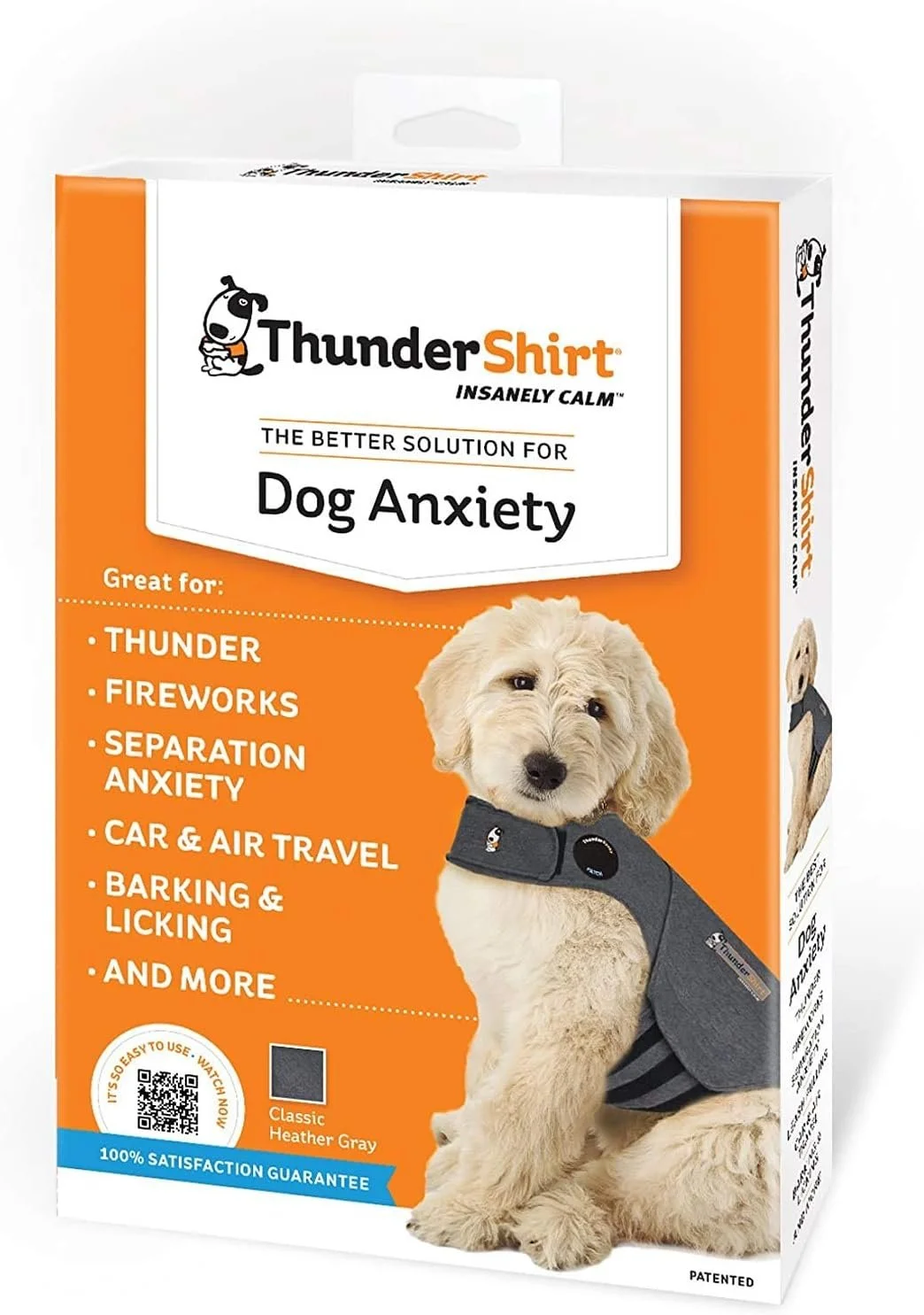
Thundershirts .
Recommended by Vets - more than 98% of the Vets surveyed reported having success when using Thundershirt for treating fear and anxiety.
Dennis likes his nice and tight but he can get hot in summer with these on
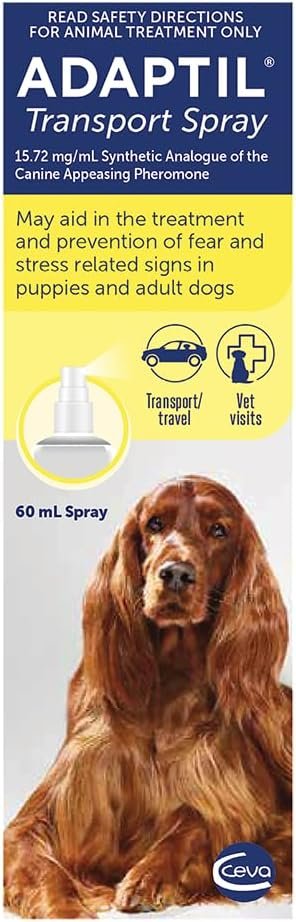
Adaptil spray ( or the plug ins ) really help Dennis
Proven Stress Relief – Formulated with Dog Appeasing Pheromone to naturally soothe and comfort dogs.
Reduces Stress Symptoms – Minimises panting, trembling, barking, and restlessness linked to travel.
Convenient & Easy to Use – Simply spray in the car, crate, or dog carrier before travelling.
Trusted by Vets – ADAPTIL is recommended by veterinarians worldwide for managing canine stress.
I spray this on Dennis’ bed and thundershirt and it does calm him down. I haven’t tried the room srays but the collars are also good.'‘
Dennis always alerts me that the weather will change so if I am home I have time to remove anything that can be broken from tables or shelves that he can reach ( as he knocks these down in his stressed state). I also keep a fan on for “White noise”.
Dennis also likes being on the lead, it seems to reassure him.
I have narrowed these solutions down from many many years of trying different thinsg with him so not all will work with your dog but keep going and you will find something!
The Takeaway
Dogs are extraordinary sensors. Long before we reach for a weather app, they're already reading the world around them with every breath and every heartbeat. Whether it's the electric tension before a summer storm, a subtle drop in pressure on a grey morning, or the silver glow of a full moon flooding through the curtains, our dogs feel it all — sometimes far more acutely than we do.
Understanding these triggers doesn't just explain the odd behaviour — it gives us the tools to help our dogs feel safe and supported when the elements are working against them. Dennis has taught me to pay attention, to read the sky a little differently, and to always keep a thunder shirt on standby.
Does your dog react to weather changes? We'd love to hear your stories in the comments below.
Written with love — by a dog owner who checks the lunar calendar before every weekend.